
Explore Our Services
Preventative & General Care
Initial Oral Examination
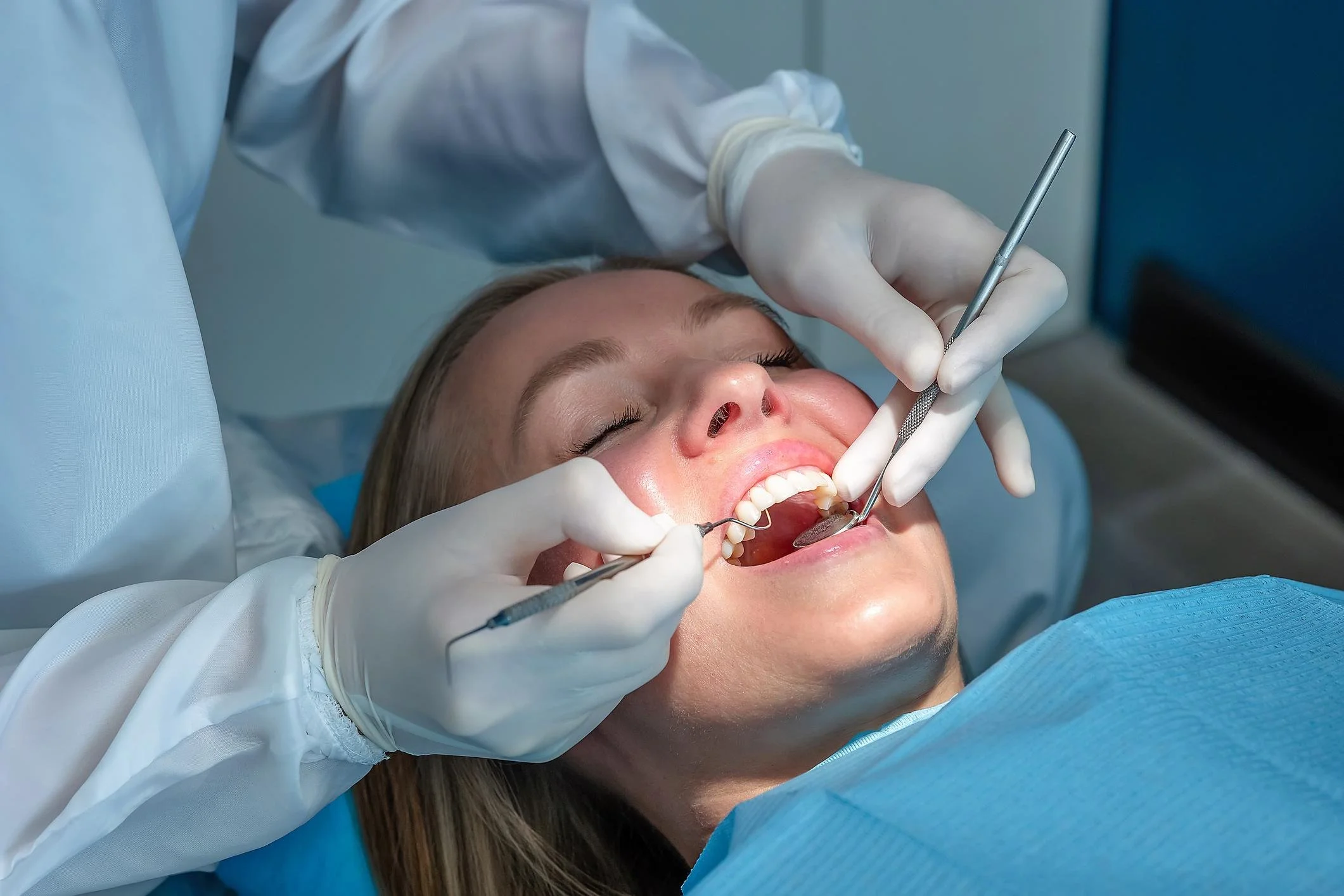
Your visit begins with a review of your medical and dental history, along with any concerns or symptoms. This is followed by a comprehensive exam, including an oral cancer screening, gum evaluation, bite analysis, and a full assessment of your teeth and surrounding structures. Any necessary X-rays will also be taken at this time.
The Preventive Program
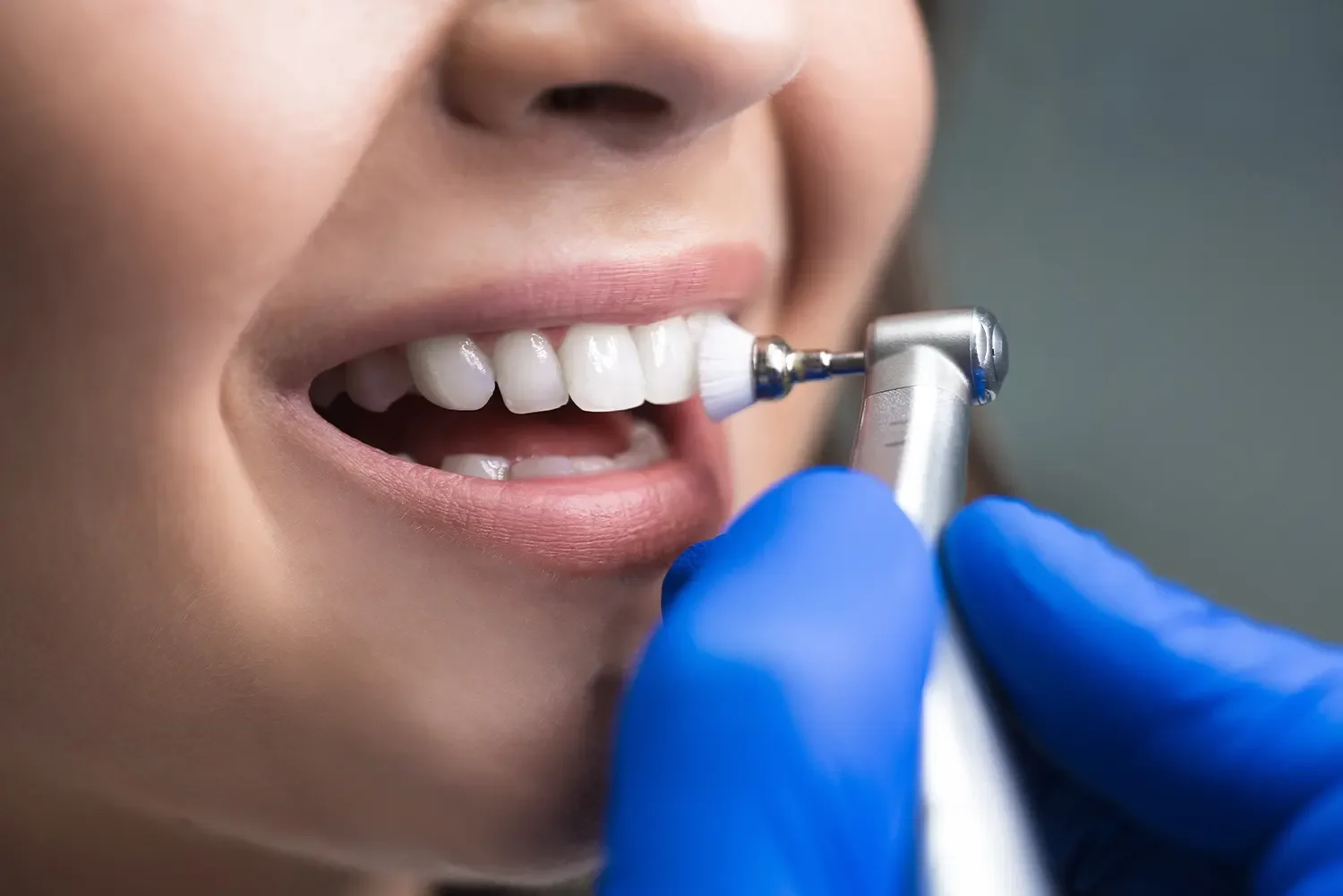
Good oral hygiene is essential for both dental and overall health. Our preventive program focuses on protecting your teeth and gums by stopping dental issues before they start.
Regular professional cleanings remove plaque and buildup in hard-to-reach areas, while proper at-home care is key to maintaining results. We’ll review your routine, offer personalized guidance, and recommend additional preventive treatments—such as fluoride or sealants—when needed.
Night Guards
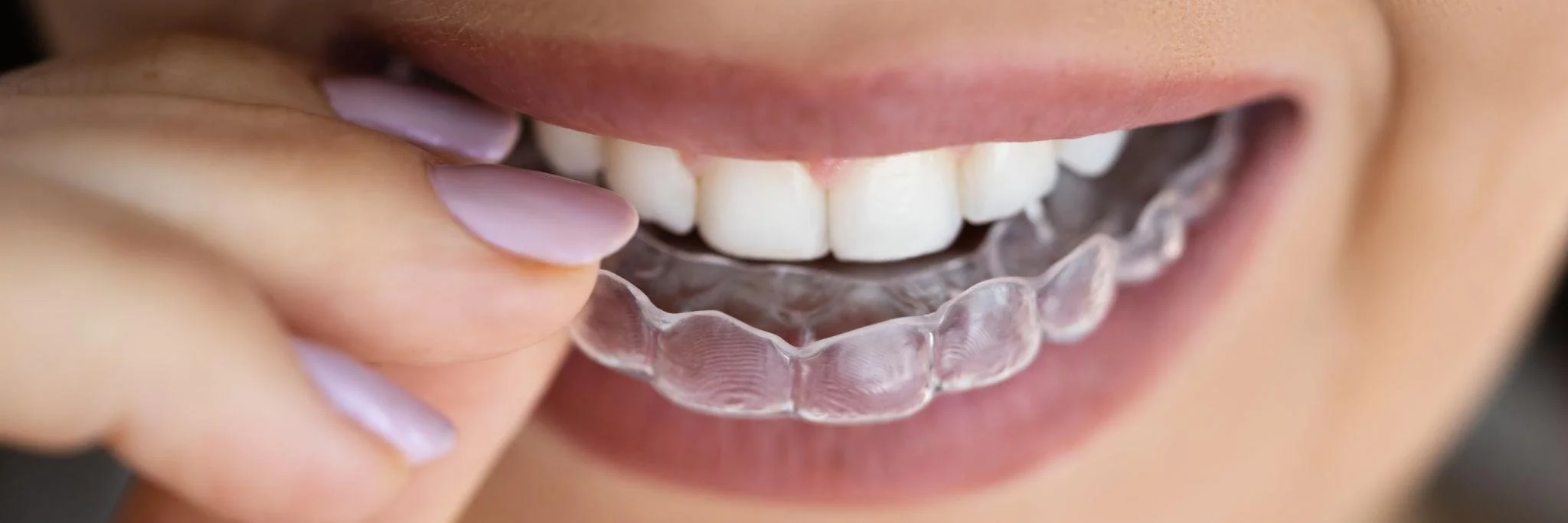
The clenching or grinding of teeth during sleep can cause jaw pain, headaches, and tooth damage. It’s commonly linked to stress but may also result from bite issues or sleep disorders.
A custom night guard helps protect your teeth by reducing pressure on the jaw and preventing grinding. It can also relieve discomfort and improve sleep quality.
digital Radiography
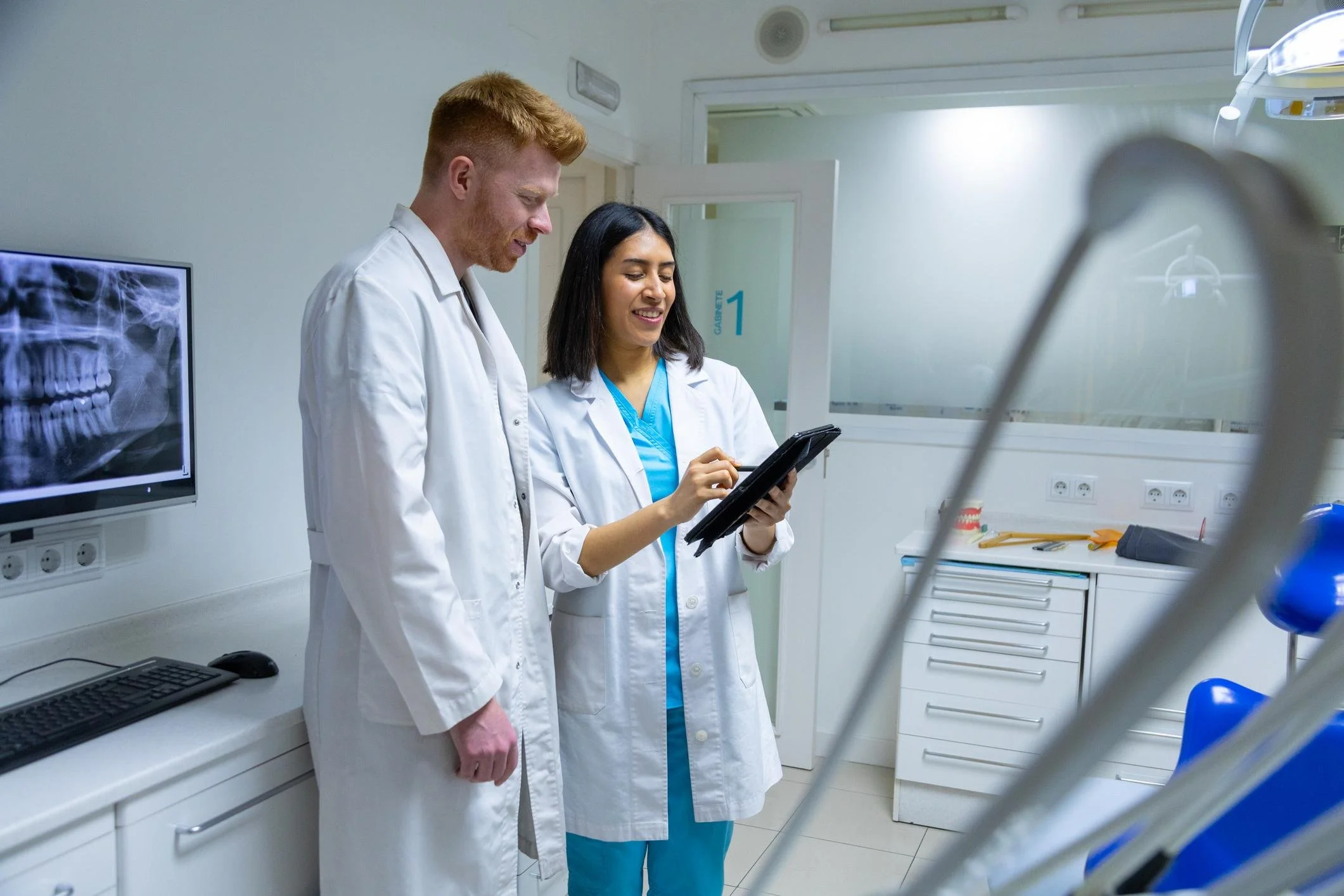
Digital radiography uses advanced sensors and computer technology to capture and store dental X-rays. It significantly reduces radiation exposure compared to traditional methods and allows images to be viewed instantly, shared easily, and stored securely.
Extractions
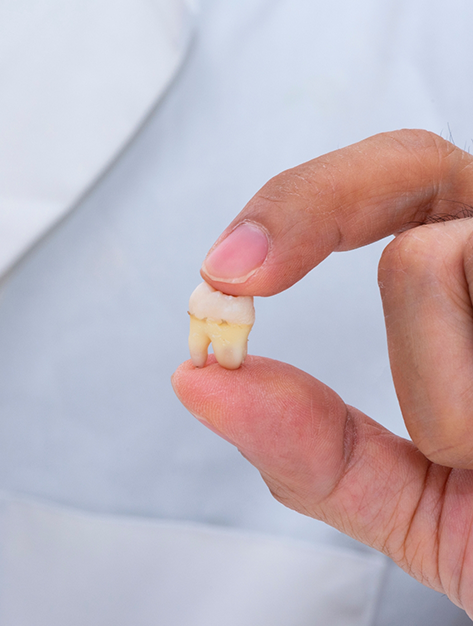
Tooth extractions are a routine dental procedure used to remove a tooth that is damaged, decayed, or no longer able to be saved. Dentists perform extractions with a focus on patient comfort, using gentle techniques to minimize discomfort.
Removing a problematic tooth can relieve pain, prevent infection from spreading, and support overall oral health. With proper care afterward, healing is typically smooth and helps maintain a healthy, balanced smile
Periodontal Treatment
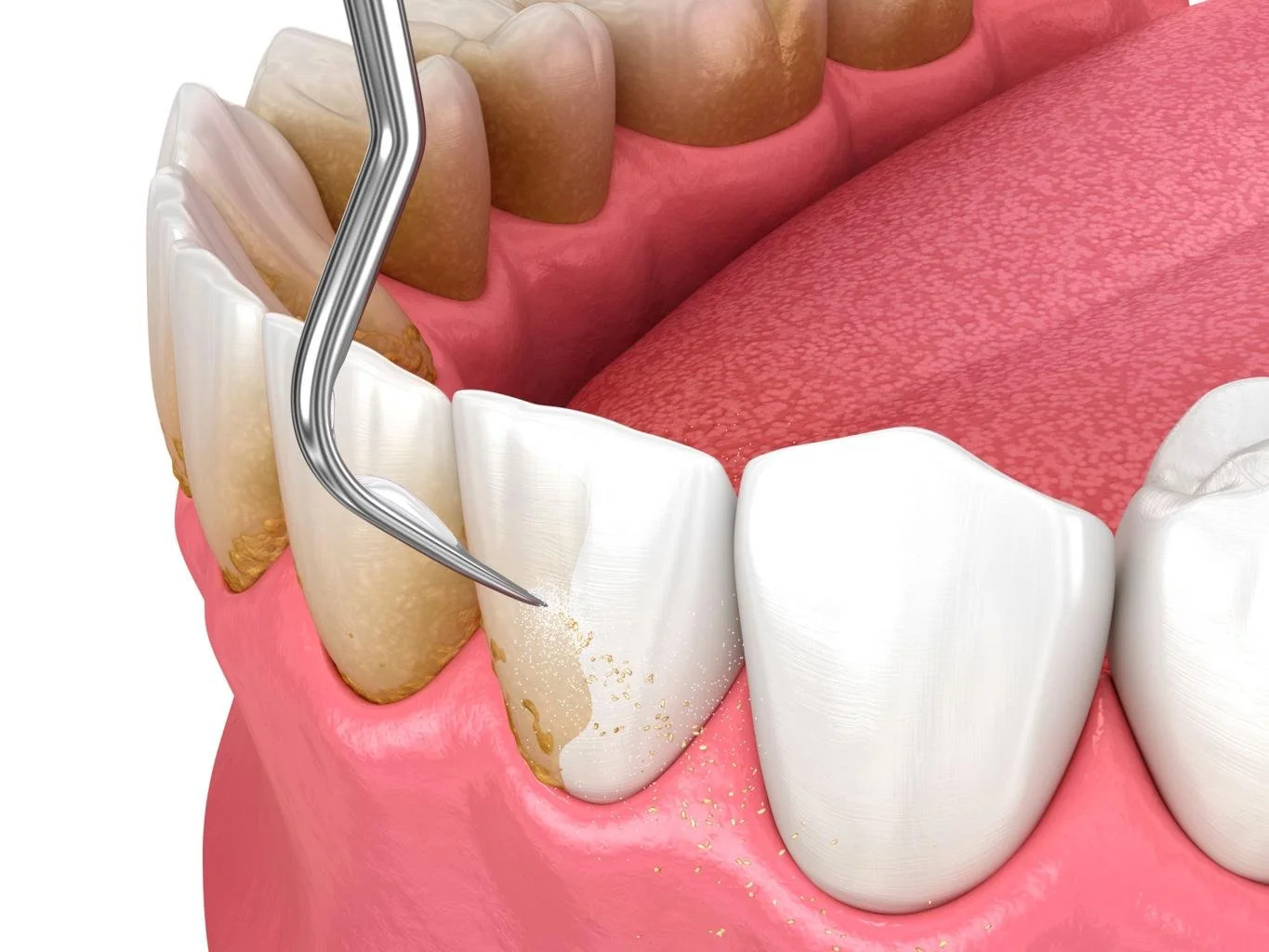
Periodontal (gum) disease is an infection of the gums and supporting bone caused by plaque buildup. It can range from mild gingivitis—marked by red, swollen, or bleeding gums—to more advanced disease that can lead to bone loss and tooth loss if untreated.
Because it often progresses without pain, early detection is key. Treatment may include deep cleanings, improved home care, and regular maintenance. In advanced cases, therapy may involve medications, gum procedures, or grafting to restore and protect supporting tissues.
Restorative Dentistry
Crowns & Caps
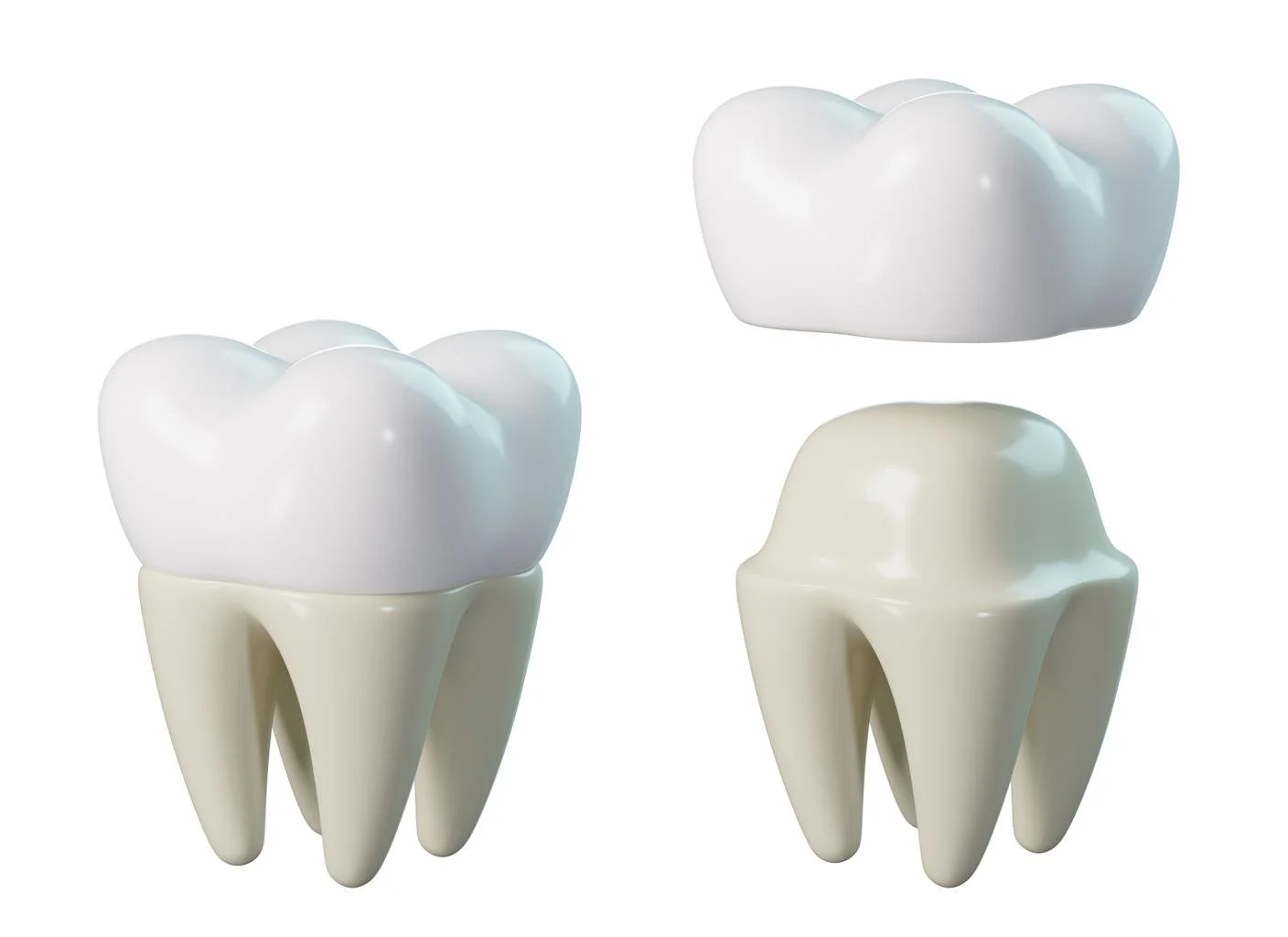
Dental crowns, or caps, are used to restore teeth that are too damaged for fillings due to decay, cracks, or wear. They fully cover the tooth to restore strength, function, and a natural appearance.
Crowns can also support bridges, cover implants, protect cracked teeth, and improve discoloration. They are made from durable, natural-looking materials like porcelain or ceramic.
Bridges
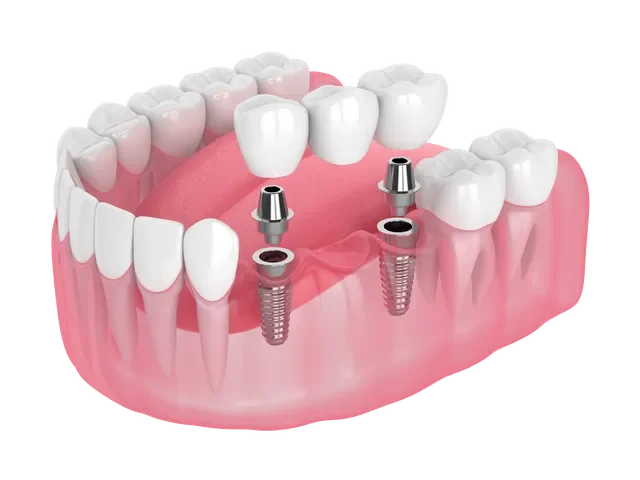
Missing teeth can lead to shifting, bite issues, and other dental problems, making replacement important. A dental bridge is a reliable solution that restores function and prevents surrounding teeth from moving.
Bridges use artificial teeth (pontics) anchored by neighboring teeth and are permanently fixed in place. They are made from durable, natural-looking materials like porcelain or ceramic.
Dental Fillings
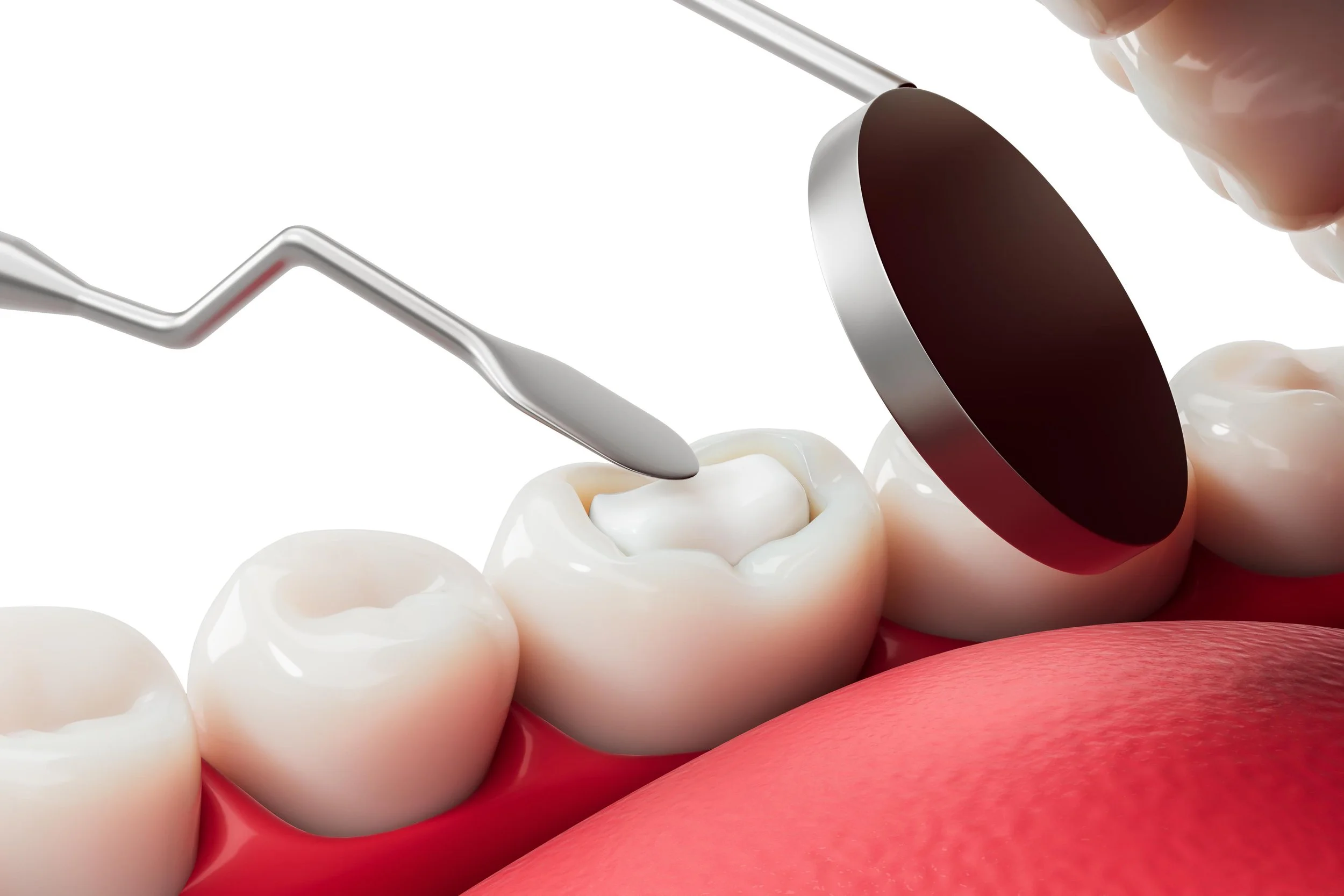
Dental fillings are the most common way to restore teeth affected by decay or damage. They repair and rebuild the tooth to restore strength and function.
Modern materials like composite and ceramic are durable and designed to blend seamlessly with natural teeth for a more aesthetic result.
Root Canal
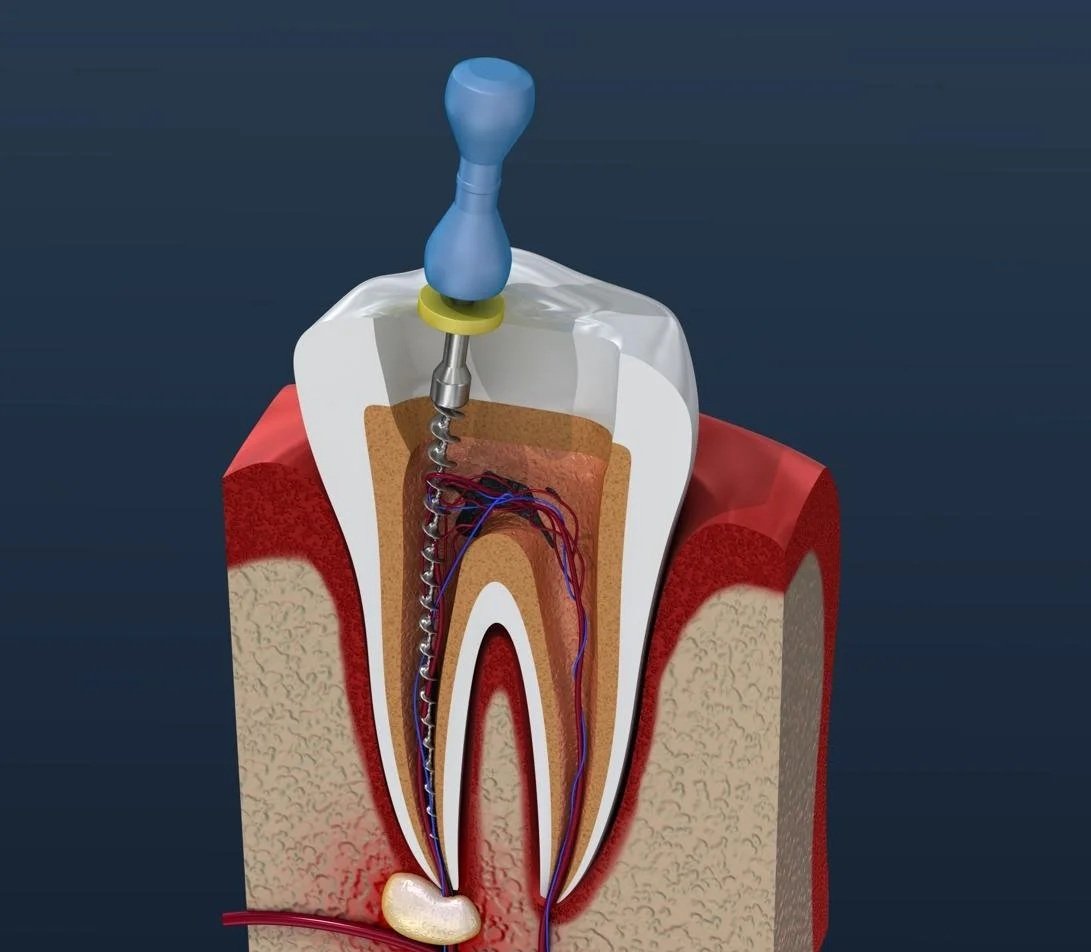
Root canal therapy (endodontics) is used to treat infection or damage inside a tooth and save it from extraction. When the inner pulp becomes irreversibly damaged, the canals are cleaned, shaped, and sealed to eliminate infection.
After treatment, the tooth is restored to regain full function and strength.
Dental Implants & Full-Arch Solutions
Implant Restoration

Implant restoration is the process of rebuilding and replacing missing teeth using dental implants to restore both function and appearance. A dental implant acts as an artificial tooth root, providing a strong and stable foundation for a custom crown, bridge, or denture. Once the implant has fully integrated with the jawbone, the restoration is securely attached, resulting in a natural-looking and long-lasting solution. Unlike traditional options, implant restorations do not rely on adjacent teeth and also help preserve bone structure, making them one of the most effective ways to restore a complete, healthy smile.
Dentures
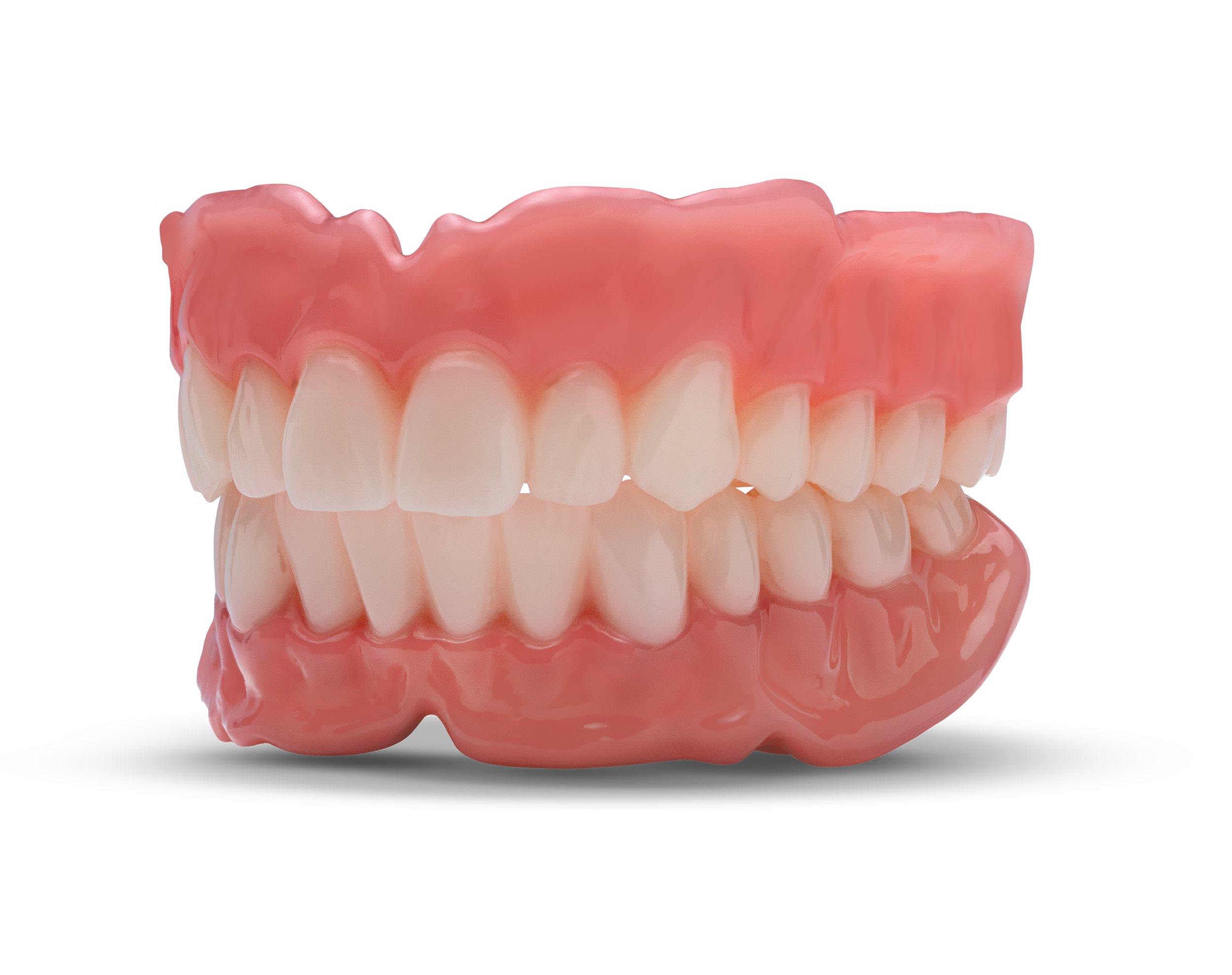
When teeth are lost due to disease, injury, or other causes, dentures offer a reliable way to restore your smile, facial support, and ability to chew comfortably.
Dentures can replace a few teeth (partial) or a full arch (complete) and are made with natural-looking teeth on a supportive base. They may be placed after healing or immediately after extractions, though adjustments may be needed. In some cases, implants can be used to improve stability and fit.
All-on-4™
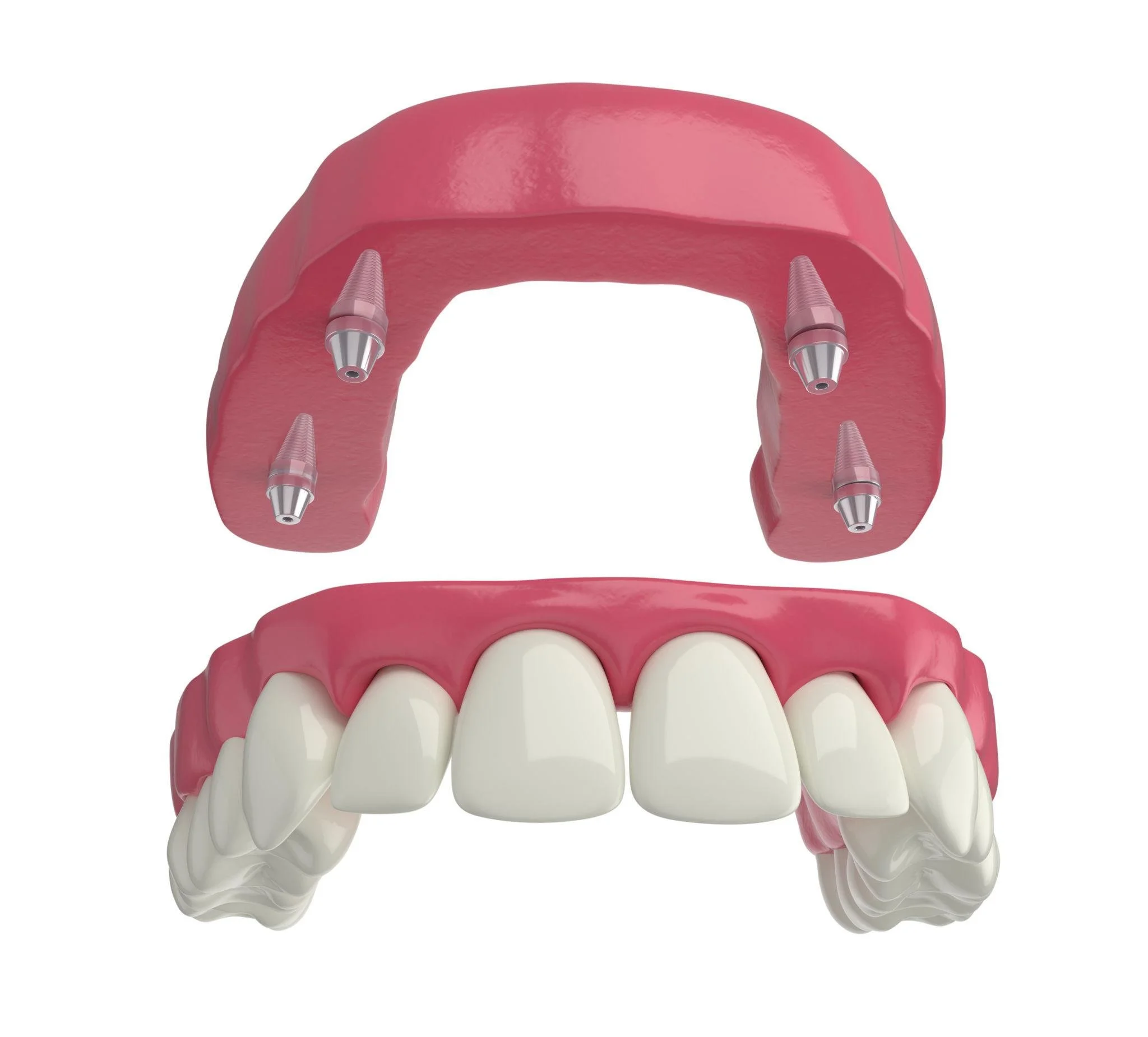
All-on-4™ is an advanced dental implant technique that uses just four implants to support a full arch of replacement teeth. Typically completed in a single procedure, it often eliminates the need for bone grafting and allows patients to receive temporary teeth the same day. After healing and full integration with the jawbone, the temporary teeth are replaced with a custom, permanent bridge. The result is a secure, natural-looking, and cost-effective solution for restoring a full set of teeth.
All-on-6™
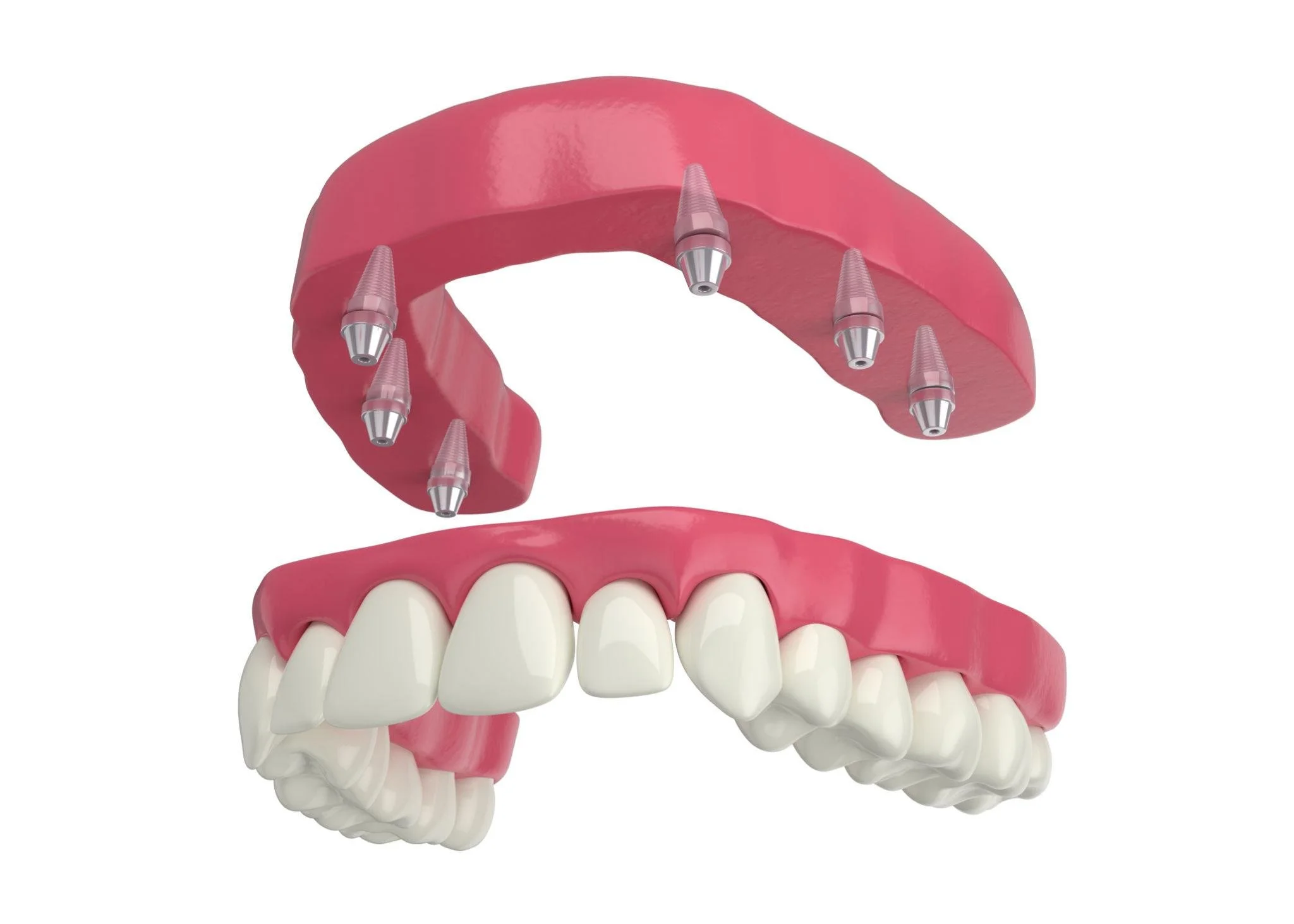
All-on-6™ is an advanced dental implant technique that uses six implants to support a full arch of replacement teeth. Typically completed in a single procedure, it offers enhanced stability and may be ideal for patients who need additional support. Temporary teeth are often placed the same day, so you can leave with a restored smile immediately. After healing and full integration with the jawbone, the temporary teeth are replaced with a custom, permanent bridge. The result is a secure, natural-looking, and long-lasting solution for replacing a full set of teeth.
Cosmetic Dentistry
Teeth Whitening
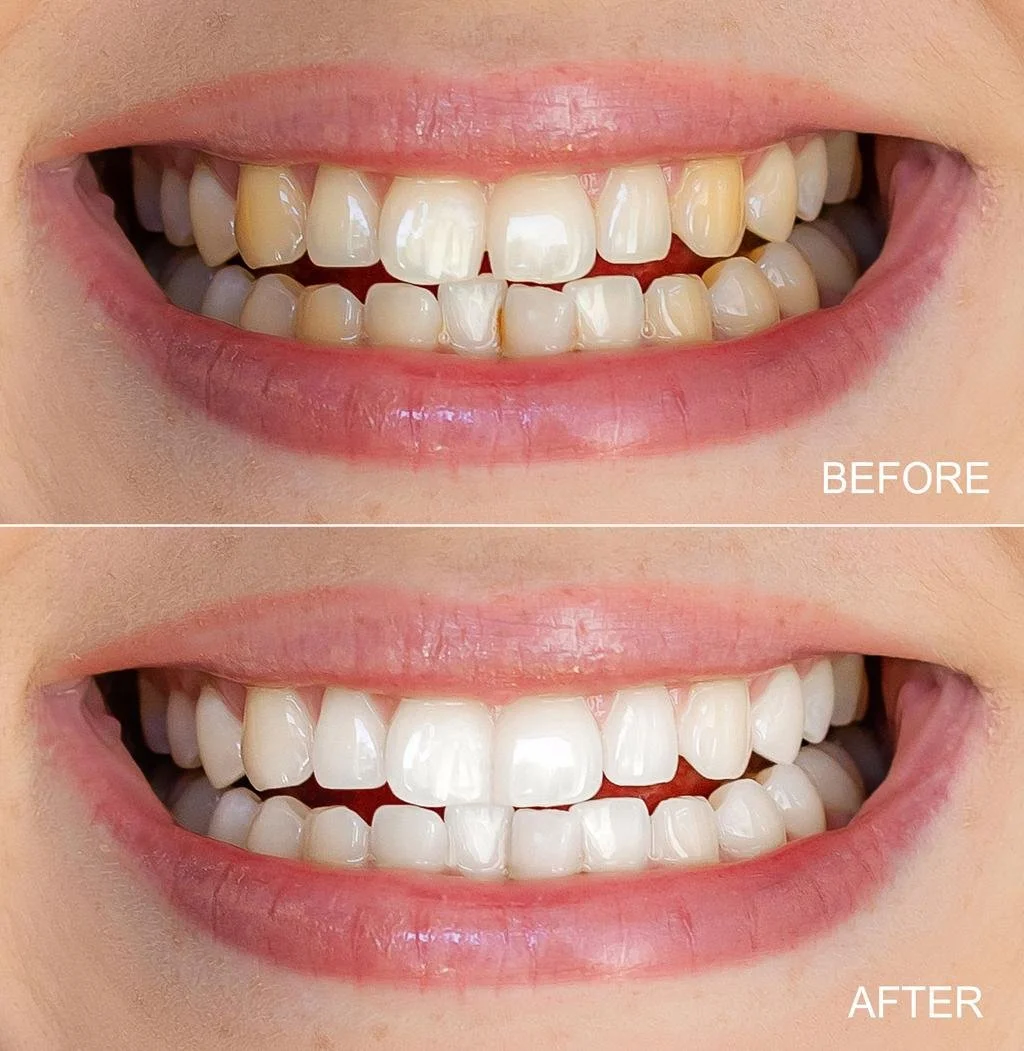
Teeth whitening is a safe, non-invasive way to brighten teeth stained by food, tobacco, aging, or other factors. While over-the-counter options exist, professional treatments provide stronger, more effective, and longer-lasting results.
A dental professional whitening system offers a higher concentration of whitening components and delivers them to the teeth in the most efficient manner to achieve optimal results.
Veneers
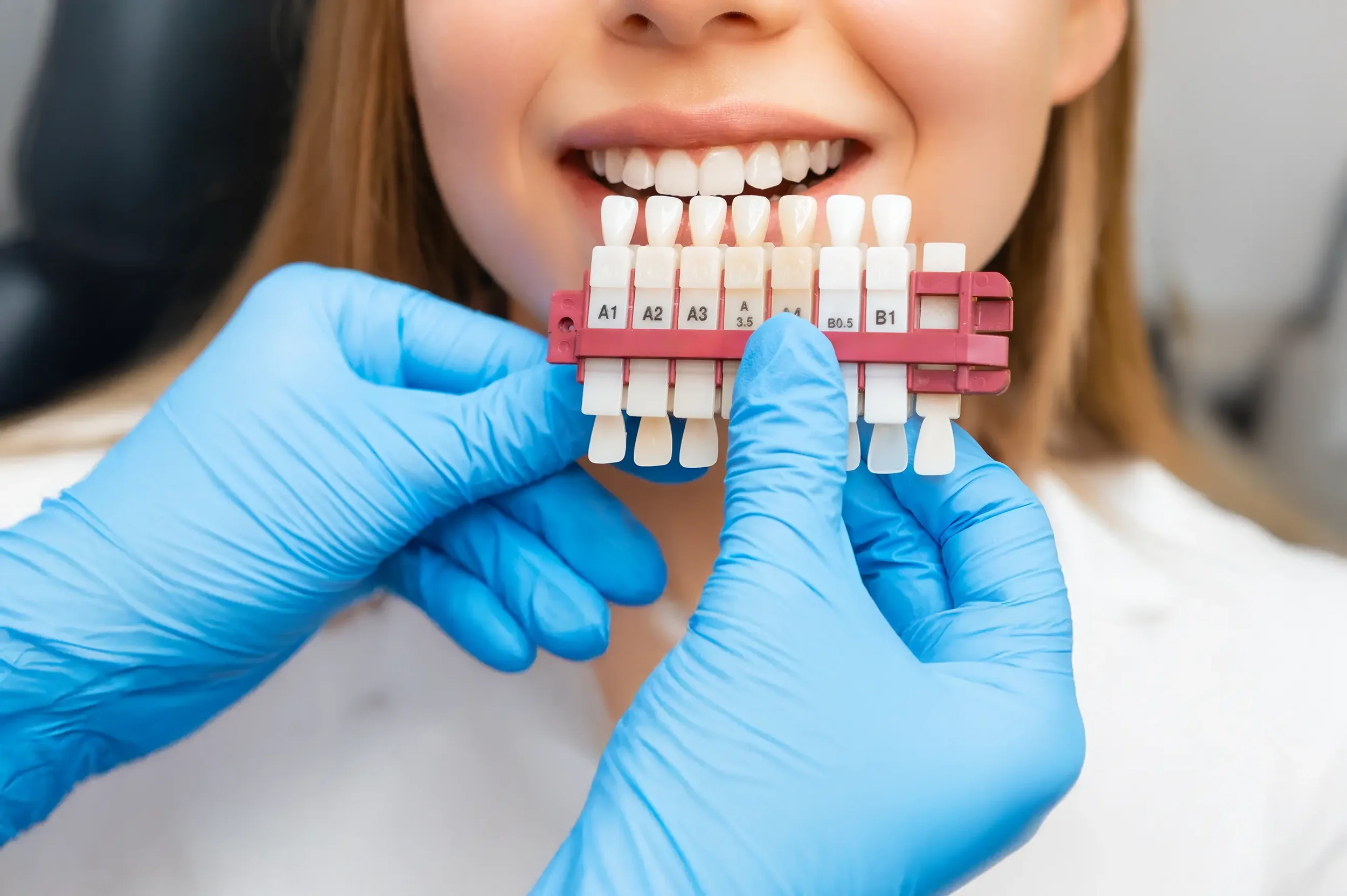
Porcelain veneers are a minimally invasive cosmetic solution for improving chipped, stained, uneven, or gapped teeth. These thin, custom-made ceramic shells are bonded to the front of your teeth to create a brighter, more uniform smile.
Veneers require little tooth preparation and are completed in just a few visits, delivering a natural-looking, durable result.